
We can do this: getting your dog house-trained
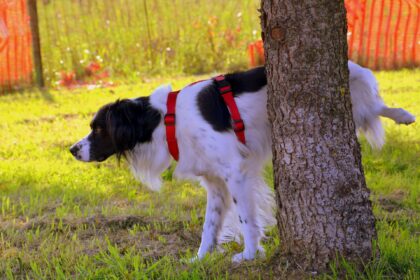 Getting your dog house-trained is one of the first big challenges in the relationship between dog and human. But it is really not witchcraft or an annoying obstacle. Most puppies move into their new home between the 8th and 12th week of life. One of the first things they have to learn is to keep this home clean.
Every beginning is difficult
First of all, the new carer should attentively observe the little family member and regularly give it the opportunity to relieve itself where it is wanted. At the beginning we recommend going outside with it every 2 hours and seeing what happens. Above all, this should always happen after the animal has drunk, eaten or slept.
Reading your four-legged friend's signals correctly
Since the little one also wants to go out at night, you should let it sleep in a dog crate. Dogs are naturally clean and would not soil their own sleeping place. This means the dog will make itself noticed when it needs to go out. We think it is appropriate to place the crate next to the bed in the bedroom. In addition, it does not feel so alone at first, as it still misses its mother and its siblings.
- Going outside regularly every 2 hours
- Using a dog crate for cleanliness at night
- Reacting immediately to restlessness and sniffing
- Positive praise and confirmation when successful
Over time you notice when the dog needs to go out. When it becomes restless, you carry it straight out into the garden or onto the verge in front of the house and praise it lavishly when it has done something. You can also teach it a command word, such as wee-wee. This can also be useful later on, for example in unfamiliar places.
There is strength in calm
In the first few weeks, puppies should not yet go on long walks, as their bones and ligaments are still soft. A short walk back and forth on a verge is quite enough. It is important that the little one has peace and quiet there. With too much distraction outside, it may do nothing at all and then start indoors, because it feels undisturbed there. Please do not scold if it happens once, and especially not loudly, and refrain from clapping your hands. The animal then gets a fright and, out of fear, in future no longer relieves itself in your presence but secretly somewhere in the house.
The biological development of control
You should also know that dogs have only learned to fully control the sphincter at around 5 to 6 months. Only from this age can they control the urge over a longer period. So you really cannot blame the dog. It plays just as big a role how well the human pays attention to their companion and responds to its signals.
This article serves as general information and as caring support for your puppy on the way to a clean home.

Our daily inspiration is the special moments with our dogs. Here we share this enthusiasm and invite you to become part of the DOG FIT community on our social media channels.
The content of the articles is for general information purposes only and does not replace diagnosis or treatment by a veterinarian. This information does not constitute medical advice and should not be construed as such.


