
Ticks - a troublesome plague for dogs
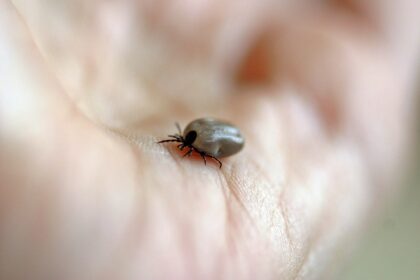 Now the time has come again when the ticks wake from their winter dormancy and seek blood meals. Dogs, too, are among their coveted victims. That makes it important to give the matter some thought. Most dog owners have at some point discovered ticks on their dog. Usually this is removed without looking any further. But there are also dangerous parasites of this varied kind. In fact there are 20 species of tick in Europe. But only three are dangerous to dogs. The so-called common wood tick is the most frequent species of tick here with us.
Transmissible diseases
One of the most frequent diseases that ticks can transmit to the dog and also to humans is Lyme disease. Typical of such a disease in the dog is lameness due to joint inflammation. In humans who fall ill with Lyme disease, one can see this through a reddening of the skin, which also occurs in the dog but is often not recognisable because of the fur.
Which ticks are active when
There is much talk of a tick season, but this differs from species to species. For the wood tick the period between March and November applies, particularly in May and October. That ticks strike in winter is not so often the case. However, they are still active down to 7 degrees. This concerns in particular the ornate tick, which is active even on frosty days. So, as a dog owner, you should watch out in winter too. This also applies to the brown dog tick. This is often brought back from warm holiday regions. It can multiply in homes and kennels all year round.
- Regularly searching the fur after every walk
- Early removal to minimise the risk of infection
- Use of natural means to ward off the parasites
- Taking into account the year-round activity of certain tick species
What to do when the dog has a tick
What matters, once it has already happened, is to remove the tick quickly. For with most pathogens it only becomes critical after 6 days whether the blood has been transferred to the dog. How do you remove a tick? Only with a suitable instrument, best of all with tick tweezers. Never with the fingers. Then grasp the tick close above the skin. Pull slowly and evenly away from the site of the bite. Do not twist, do not tear and do not squeeze. It is important to remove the tick correctly, otherwise an increased risk of transmission can arise. Often one cannot say exactly when the tick infested the dog. That is why it is best to check as often as possible.
How can you protect your dog
First of all you should, as mentioned, search for ticks after every stay outdoors. Even in dense fur they are easy to overlook. Then prevention, for example with coconut oil or citrus extracts. These protect the dog for a certain period, after which the application is to be repeated. This prevents the tick from attaching itself. When travelling to high-risk areas, appropriate protection is important too. There are of course also chemical means or vaccinations at the vet's practice. We think nothing at all of these, but that is for each person to decide for themselves.
This article serves as general information and as caring guidance for your dog through the tick season.

Our daily inspiration is the special moments with our dogs. Here we share this enthusiasm and invite you to become part of the DOG FIT community on our social media channels.
The content of the articles is for general information purposes only and does not replace diagnosis or treatment by a veterinarian. This information does not constitute medical advice and should not be construed as such.


