
A slight natural odour is normal. If the breath smells foul, sweet or of urine, however, you should have the cause checked by a vet.
Bad breath in dogs: causes and what you can do
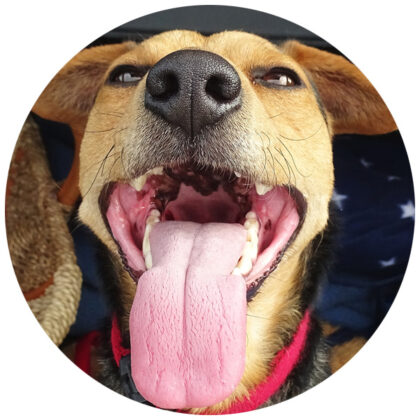 Bad breath in dogs usually comes from the mouth itself. Bacteria in plaque produce foul-smelling sulphur compounds. The most common cause is therefore a disease of the teeth and gums. Less often, on the other hand, a general illness is behind it, such as diabetes or kidney disease. If your dog’s breath smells bad all the time or suddenly very strongly, have the cause checked at the vet. At home, daily dental care helps above all.
Where does bad breath in dogs come from?
A soft layer of bacteria, plaque, constantly forms on the teeth. These bacteria produce sulphur compounds, and these are what smell unpleasant. If the plaque is not removed, it also hardens into tartar and irritates the gums. Then food residues can also get stuck in gum pockets and decompose. That is why veterinary dentists name disease of the tooth-supporting structures as the most common cause of bad breath.
What causes are possible?
| Cause | How you may recognise it |
|---|---|
| Plaque and tartar | Foul breath, plus yellowish to brown deposits, often first on the back teeth. |
| Gingivitis | A red line along the gum margin, and the gums also look swollen. |
| Eating faeces | The breath then smells of faeces, especially shortly after a walk. |
| Foreign body in the mouth | Sticks or wood splinters can get wedged in the mouth. Your dog may therefore chew unusually or eat poorly. |
| Diabetes | The breath smells sweet or similar to nail polish remover. The dog also often drinks more and loses weight. |
| Kidney disease | The breath smells of ammonia or urine. Weight loss and little appetite may come with it. |
When should you take your dog to the vet?
If the bad breath persists, appears suddenly or smells unusual, have your dog examined by a vet. This applies above all if other signs appear, for example more thirst, weight loss or little appetite. The vet will then examine the mouth first. If there is no explanation there, blood and urine tests may follow.
Tartar, however, cannot be brushed away. It is removed at the practice under anaesthesia, because only then can teeth and gums be cleaned and examined thoroughly. Veterinary dentists also recommend regular dental check-ups so that problems are noticed early.
What can you do at home?
- Brush the teeth: Daily tooth brushing is considered the most effective measure against plaque. Several times a week is the minimum.
- Toothpaste for dogs: Use a toothpaste for dogs. Toothpaste for humans, on the other hand, is not meant to be swallowed and can contain xylitol, which is toxic to dogs.
- Add chews: Suitable chews or dental diets can complement the care but do not replace brushing. The list of the Veterinary Oral Health Council (VOHC), for example, offers guidance.
- Stop faeces eating: If your dog eats faeces on walks, training with recall and rewards helps. Also have it checked whether another reason is behind it.
- Check regularly: Look into your dog’s mouth once a week. That way, you notice plaque or redness early.
What should you avoid?
Home remedies such as vinegar essence or citric acid are often recommended. Do not give them to your dog. Mints and chewing gum for humans are also off limits, because they can contain xylitol. Parsley may mask the smell briefly, but the cause remains.
Frequently asked questions
Is bad breath in dogs normal?
Why does my dog’s breath smell like faeces?
Usually it has eaten faeces on a walk. If this happens often, mention it at the vet.
Do home remedies help against bad breath?
Home remedies mask the smell briefly at most. Some, such as mints, can even do harm. It is therefore more important to find the cause and to brush the teeth regularly.
How often should I brush my dog’s teeth?
Ideally every day. If that does not work, then at least several times a week.
Sources
- Hunter T., Bellows J. (VCA Animal Hospitals): Halitosis in Dogs, 2023.
- Shugg R. (PetMD): Bad Breath in Dogs: Causes and Treatment, 2022.
- Weir M., Hiscox L., Bellows J. (VCA Animal Hospitals): Brushing Your Dog’s Teeth, 2023.
Fresh breath starts with healthy teeth. A few minutes of dental care a day and an attentive look into the mouth make a big difference.
Read more: Gingivitis in dogs · Brushing your dog’s teeth · Why do old dogs smell?

From our range: DOG FIT by PreThis® FRESH oral hygiene. Complementary feed for dogs with black cumin (Nigella sativa, 64%) and a blend of 16 herbs, including nettle, fennel, anise, thyme and sage. Vegan, free from artificial additives. You can find it in our shop.

Our daily inspiration is the special moments with our dogs. Here we share this enthusiasm and invite you to become part of the DOG FIT community on our social media channels.
The content of the articles is for general information purposes only and does not replace diagnosis or treatment by a veterinarian. This information does not constitute medical advice and should not be construed as such.
Comment area
Recent comments
We look forward to your comment


Weitere Beiträge


