
It's Pollen Season – for Dogs Too
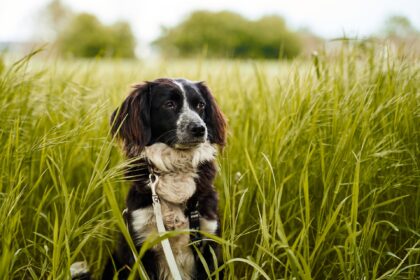 Spring brings by no means only the beautiful blossom. Unfortunately, for many it also brings pollen allergy. This affects not only many people but – as not everyone knows – just as many of our dogs. I would like to help you make this time as pleasant as possible for your four-legged friend.
How to recognise a pollen allergy with care
If your dog comes home after a walk and sneezes or scratches more than usual, that can be a clear sign. Reddened eyes and a clear discharge from the nose often appear. Redness of the skin and rashes are also common signs. Such a reaction can often occur out of the blue, even if the animal has had no problems at all for years. Where possible, you should carefully avoid direct contact with the triggers out in the open.
An expert assessment is extremely important
So that you know exactly what your dog is reacting to, and to be able to act early and with care, a conversation at a veterinary practice is advisable. In some animals the airways can also become affected. Not being able to breathe is not only an unpleasant feeling but can also become dangerous. To begin with, you can wipe the dog down with a damp cloth after the walk to free him of the pollen with care. The pads of the paws should also be cleaned thoroughly. You can even put soft socks on him so that he does not bite open the itchy skin. Once the pollen season ends, the signs usually disappear on their own. Until then it is important to bridge the time for the animal as pleasantly as possible.
Disturbed sleep at night and restlessness by day
It is not only the night's rest of human and animal that is disturbed. During the day, too, general well-being changes massively. The more the animal scratches, the worse the itching becomes. Bacteria can cause the skin to become inflamed. In very severe cases, preparations containing cortisone are often recommended. However, just as with us humans, this represents a strain that is not entirely without risk. Such remedies can have many side effects, which is why they should only be used in the most extreme emergencies. Burdening the dog with strong medication unnecessarily often does not bring the desired success. In our holistic approach, animal naturopathy offers many gentle, natural solutions here.
- Wiping down the coat with a damp cloth after every outing
- Cleaning the paw pads to remove pollen residue
- Avoiding walks when pollen levels are extremely high
- Frequently changing the bedding and sheets in the dog bed
Helpful tips for everyday life with an allergic dog
Similar advice applies as for affected people. Plan your walks according to the current pollen forecast and ventilate the rooms preferably in the early morning or late evening. A heavy rain can bring great relief, as it cleanses the air. It also helps to change the textiles in the dog's sleeping area frequently. Simply lay a fresh sheet over the dog bed each day to keep the pollen exposure in the home as low as possible. At DOG FIT we are happy to support your dog's immune system with our expertise from TCM and Ayurveda.
This article serves as general information and as caring support for keepers of allergic dogs.

Our daily inspiration is the special moments with our dogs. Here we share this enthusiasm and invite you to become part of the DOG FIT community on our social media channels.
The content of the articles is for general information purposes only and does not replace diagnosis or treatment by a veterinarian. This information does not constitute medical advice and should not be construed as such.


