
When dogs reach their senior years
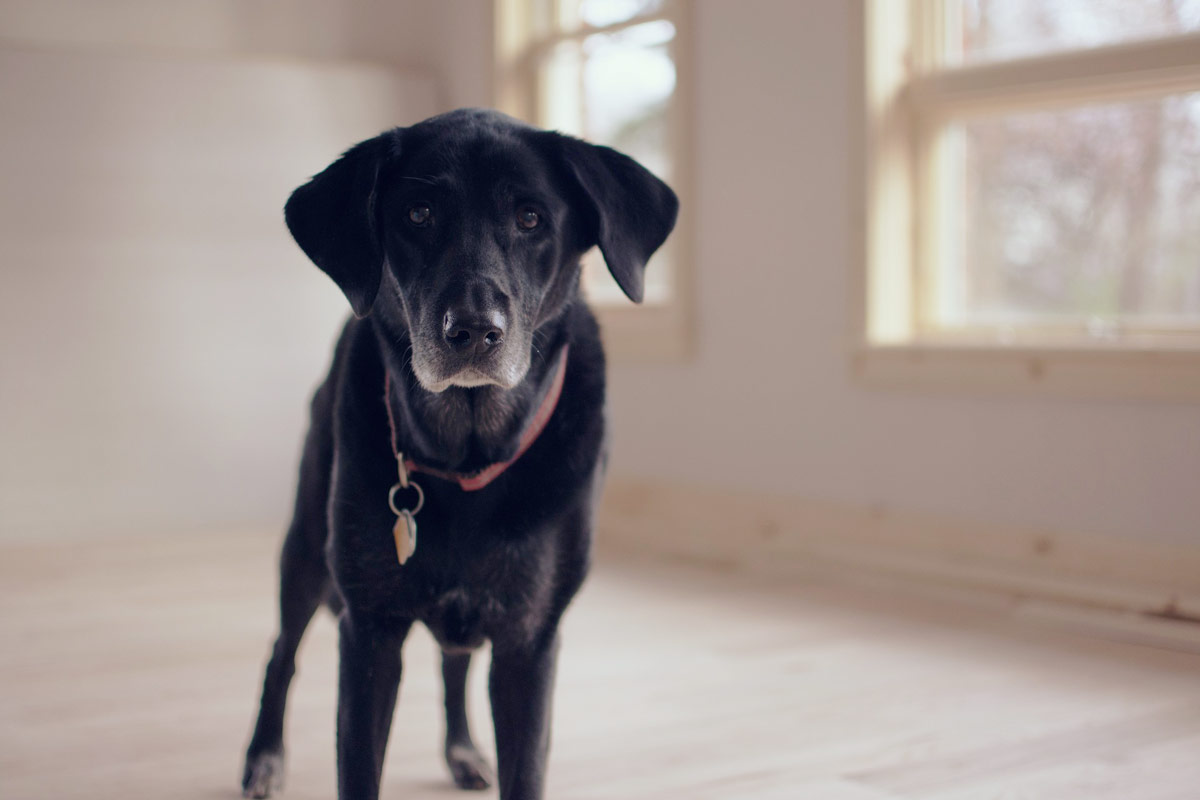
Our dogs, too, go grey around the muzzle. In advanced age, their jumping power, stamina and eyesight and hearing decline. That is the natural course of time. Anyone who has accompanied their dog over many years from puppy to senior knows: the oldies feel most comfortable when they are simply allowed to be there – right in the middle of their family. Security now often means more to them than action.
Arthritis, a common ailment: when the joints hurt
Much as with us humans, dogs too develop “aches and pains” as they age. Particularly common is arthritis, a chronic wearing of the joints in which the cushion of cartilage dwindles and bone rubs on bone. This causes pain and limits quality of life.
Typical signs of joint problems in a senior:
- Reluctance to move: the dog plays less and walks more slowly.
- Start-up pain: after lying down for a while, getting up is difficult; the dog seems stiff.
- “Warming up”: on walks the gait often improves after a few minutes, but deteriorates rapidly again after too much strain.
- Refusal: climbing stairs or jumping into the boot are avoided.
What you can do
The vet makes a reliable diagnosis through an orthopaedic examination and X-rays. Treatment usually rests on several pillars:
- Pain management: during acute flare-ups, painkillers are often indispensable. Important: before long-term administration in seniors, a blood count should clarify whether the liver and kidneys can still metabolise the medication well.
- Weight control: every gram too many places additional strain on the aching joints. Keep an eye on a slim figure.
- Nutrient supply: supplementary feeds containing glucosamine, chondroitin and MSM have proven their worth. They provide important building blocks for cartilage and joint fluid (“joint lubrication”) and can nutritionally support joint function.
- Adapted exercise: instead of hours-long marches or abrupt ball games, several small, leisurely rounds as well as physiotherapy are ideal for keeping the joints mobile without overloading them.

Our daily inspiration is the special moments with our dogs. Here we share this enthusiasm and invite you to become part of the DOG FIT community on our social media channels.
The content of the articles is for general information purposes only and does not replace diagnosis or treatment by a veterinarian. This information does not constitute medical advice and should not be construed as such.


