
This is how a dog is taught rules
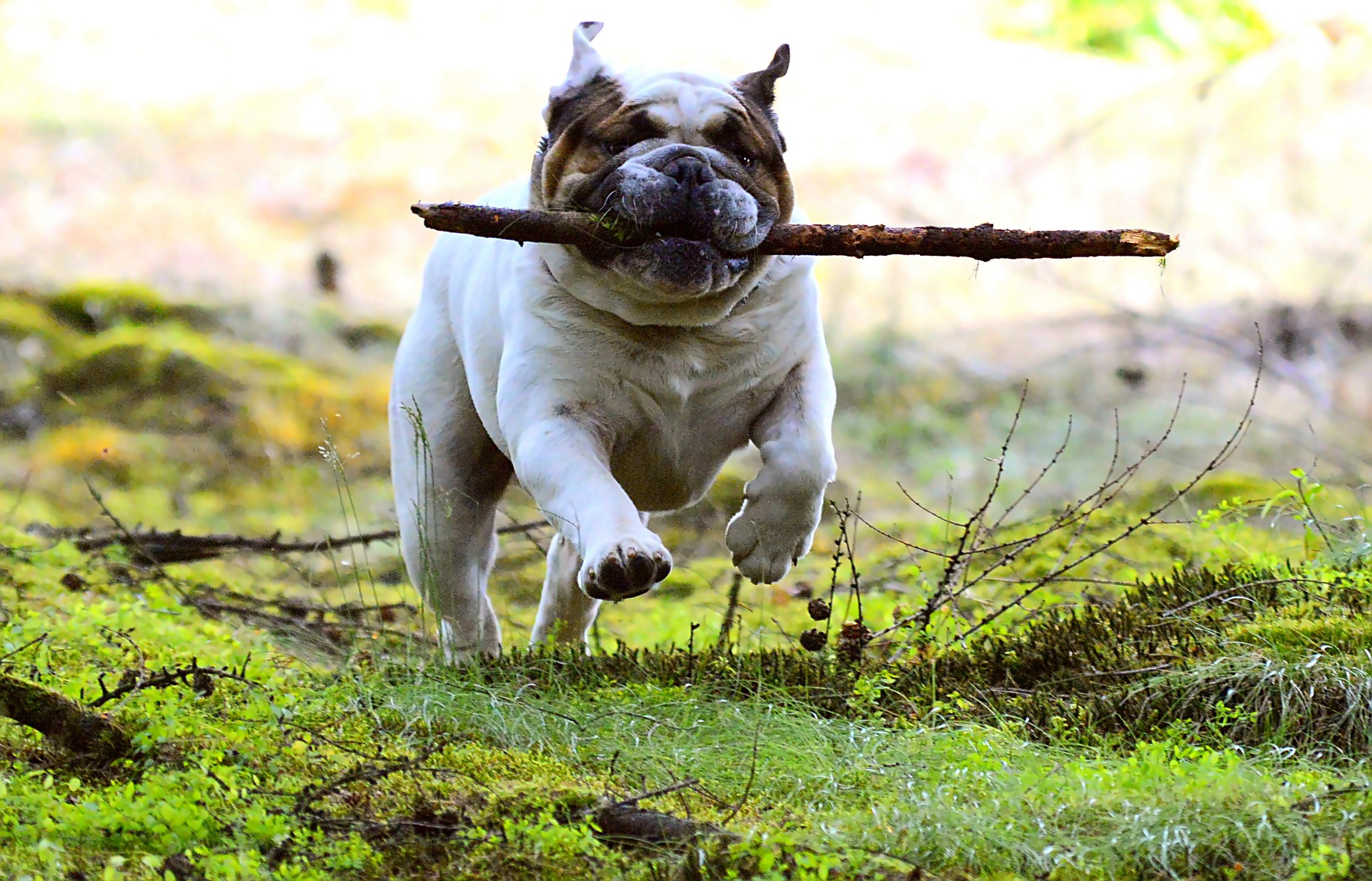 Sometimes it is not so easy to keep the balance between freedoms and the setting of boundaries for our four-legged friends. The following tips can be helpful. First of all, a structured and secure life is of great importance for the dog. A regulated daily routine with regular outings in the open air, cuddles, fixed feeding times, rest periods and times of occupation should be maintained as far as possible. This brings a certain routine and thus relaxation for the animal. This relaxation in turn prevents stress and possible aggression.
Structure and retreat in everyday dog life
I consider it very important that the human shows as much calm and composure as possible in the dog's surroundings. As this, however, is not always possible, there must be opportunities for retreat for the dog, so that he is not too often exposed to human hectic. This is important, for example, when there are playing children in the household. A quiet place of retreat lastingly promotes the well-being and balance of your animal.
Setting the dog clear boundaries
Setting boundaries can be achieved in various ways. Very important in this is that undesired behaviour is by no means rewarded. Fundamentally this goes without saying, yet mistakes are often made here. If the dog begs and scratches at your arm, for example, in order to get a treat, you should simply pay him no attention and by no means give him anything. My advice to you is: stand up and occupy yourself with other things. In this way the dog learns that his behaviour has no success.
- Establishing a fixed daily routine for more security
- Consistently ignoring undesired begging behaviour
- Ending rough games without further comment
- Promoting substitute behaviour through positive reinforcement
If the dog becomes too rough during play or in general, please end the game without comment. It is best to occupy yourself with other activities then too, and indeed without the dog. One could also demand a trained substitute behaviour from the dog and reward this when the behaviour is correct. In this way the animal learns that it only has success with behaviour that is correct from the human point of view.
Sensible freedoms and independence
The dog should be granted the free choice of his resting place at various spots in the home. Besides closeness to you, he sometimes also needs distance. When going outside it is often the case that the dog likes to sniff and mark long and often. You should allow him this, and indeed for as long as he wishes - even if this sometimes takes time. Optimal is a large garden in which the dog can also spend time without people and has many smells in front of his nose.
Regularly you can also get chew toys such as, for example, cardboard boxes with treats and further rewards, which our four-legged friend can work on and dismantle. Search games, too, are extremely sensible. It is very important always to remember that the dog may also make free decisions once in a while. Only in this way does he develop normally, and sufficient hormones can form that counteract the stress hormones. In this way he can become a balanced dog - and a balanced animal shows undesired behaviour far less often.

Our daily inspiration is the special moments with our dogs. Here we share this enthusiasm and invite you to become part of the DOG FIT community on our social media channels.
The content of the articles is for general information purposes only and does not replace diagnosis or treatment by a veterinarian. This information does not constitute medical advice and should not be construed as such.


