
How does a dog learn to stay on his own?
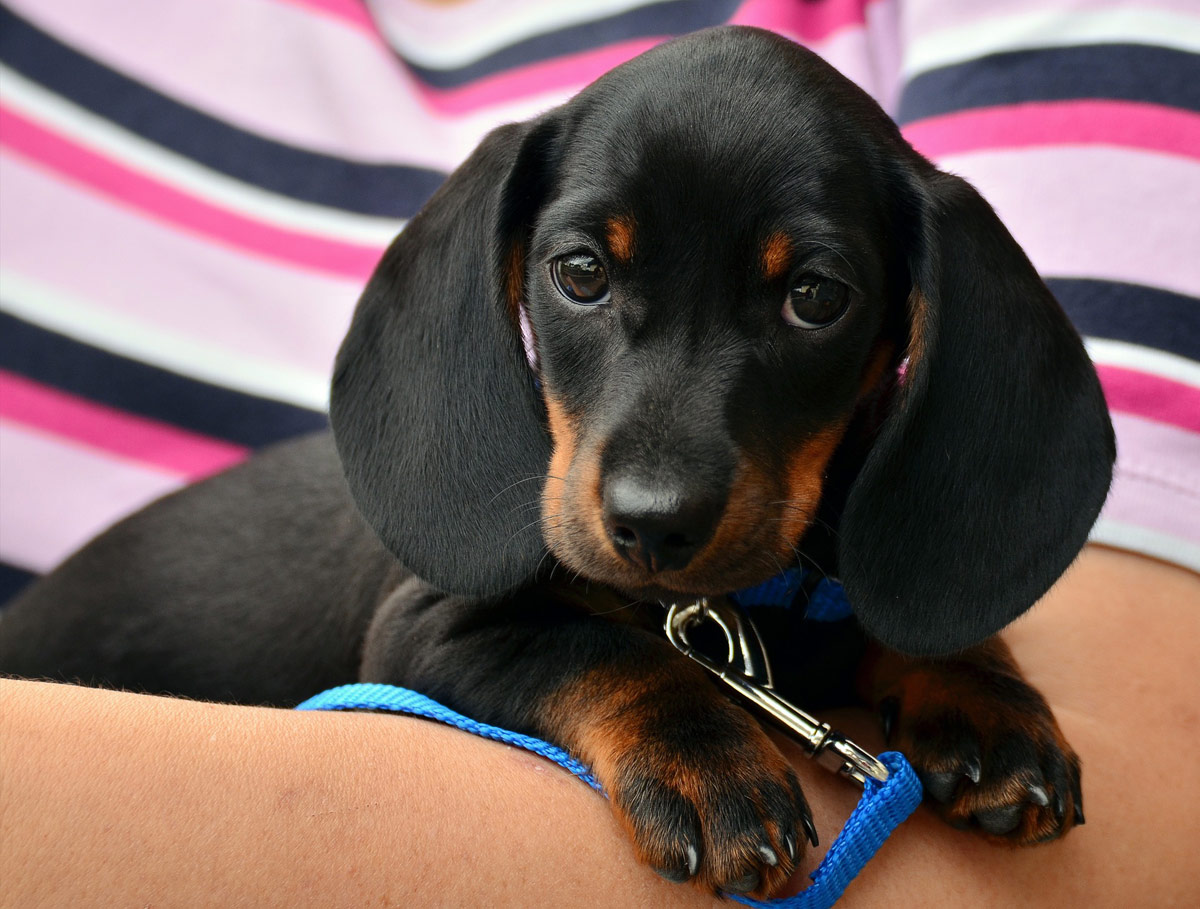 The cause of separation anxiety is usually the following: dogs that were left alone too quickly and for too long as puppies often struggle to get used to being left on their own in their new home. This anxiety is shown particularly by dogs that come from animal rescue. Their previous life certainly plays a decisive role in this too. They do not immediately grasp that their carers will also come back. They simply feel anxiety and do not yet possess sufficient trust. Some four-legged friends even fall into a panic that can, in some circumstances, even be life-threatening for them.
Signs that a dog feels left alone
First of all, one should be able to interpret the signs that a dog is suffering massively. In such situations the dogs pant very heavily, and their adrenaline level rises noticeably. This can lead to the immune system no longer functioning properly. Diarrhoea and skin conditions can result from this. This means pure stress for the animal. In part it goes so far that dogs, in order to ease this panic, begin to destroy our belongings. They see this as a kind of relief and try in this way actively to reduce the high adrenaline level.
- Recognising signs of stress such as heavy panting and restlessness
- Gradual habituation in very small time intervals
- Avoiding pressure throughout the entire training process
- Promoting relaxation through prior mental stimulation
Practical exercises for dog and owner
I recommend that you explore how you can help your dog, so as to regain your own freedom in the process. As there are no blanket tips, the methods must be individually adapted, because every dog reacts differently. To begin with, the following exercise is sensible: to get him used to it, you first leave the dog on his own for only a few seconds and then for a few minutes. What matters is that the duration and the exercises themselves are individually tailored to the animal. You will, however, quickly find that out.
If the dog follows his human's every step, for example, out of fear that he might be left alone, the stress often begins before the door. The mere sight of you going to the door makes some dogs nervous or causes them to whine. Professionally speaking, you should be prepared for a lengthy process. Practise therefore preferably at a relaxed time, with a great deal of patience and above all completely without pressure.
Small steps to great success
To this end, you can several times a day pretend to go out, but link this with a game for the dog. When you take hold of the door handle and the dog freezes, throw him a treat and play with him briefly. Open and close the door without paying the dog much attention. It should become completely a matter of course for the four-legged friend that movements at the door do not mean anything bad.
After a few days you can try a new trick. Smear the inner tube of a kitchen roll with a little liver sausage and place it on his blanket while you briefly leave the room. If the dog licks at it and you make it to the door without his noticing, that is already a lovely success. It has also proved worthwhile to build in some mental stimulation on every walk. A search for reward treats or balancing over tree trunks tires the dog out. Afterwards the animal is often so tired that it can master the training sessions for staying alone much more calmly.

Our daily inspiration is the special moments with our dogs. Here we share this enthusiasm and invite you to become part of the DOG FIT community on our social media channels.
The content of the articles is for general information purposes only and does not replace diagnosis or treatment by a veterinarian. This information does not constitute medical advice and should not be construed as such.


