
The Myth of High-Dose Vitamins
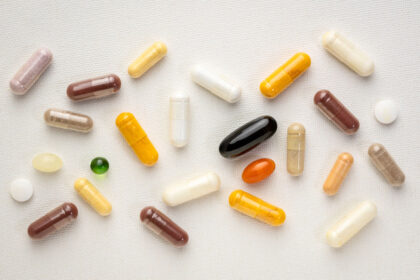 In today's world, where health awareness and self-care are becoming ever more important, vitamin supplements are an extremely popular topic. Many people – and that includes many dog owners – reach for high-dose vitamins in the hope of improving their animals' health. But great caution is called for here. High-dose vitamins are not only often pointless, they can even be seriously harmful to health. In this article we look at the reasons and the risks.
Water-soluble and fat-soluble vitamins at a glance
Vitamins are divided into two main categories: water-soluble and fat-soluble vitamins. Water-soluble vitamins include, for example, the entire B complex such as B1, B2, B3, B5, B6, B7, B9 and B12, as well as vitamin C. These vitamins are not stored in the body and must be taken in regularly. Any excess is generally excreted via the urine, which does reduce the risk of overdosing, but is nonetheless superfluous and can put an unnecessary strain on the kidneys.
The B vitamins are among the most important vitamins of all and are often underestimated. Their effect is based, among other things, on a synergy between the individual components. However, these synergies can only be achieved if the vitamins are precisely matched in their proportions to the dog's organism. High-dose products are definitely not part of that. Unfortunately, the industry quickly realised that extreme dosages often sell better. Some veterinary practices jump on this bandwagon too. As a result, they frequently provide not genuine health, but a steadily growing wallet at the expense of the dog's health.
Risks of overdosing on vitamin B6 and B12
An excess is only present briefly because it is excreted, yet even that can become harmful to health if the excess is supplied daily. Vitamin B6, when supplied in high doses over a longer period, can cause neurological problems in dogs. This can take the form of ataxia – a disturbance of coordination and movement that leads to unsteadiness when walking. Excessive amounts can also cause nerve damage, leading to cramps, numbness and muscle tremors.
An excess of vitamin B12 can also interfere with the absorption of other important nutrients. This particularly affects iron and can lead to anaemia – a condition in which the body does not produce enough red blood cells, resulting in weakness, fatigue and other health problems. With a needs-based dosage, on the other hand, B12 promotes the formation of blood cells.
Fat-soluble vitamins such as A, D, E and K can be stored in the body. Excessive intake can lead to toxic effects here. Vitamin A and vitamin D in particular are known for causing serious health problems in high doses.
Risks of overdosing on vitamin A and vitamin D
The fat-soluble vitamins A and D are of crucial importance for the health of dogs, yet overdosing on them can have serious consequences. Too high a vitamin A level in the body can lead to a variety of problems. These include bone and joint problems as well as potentially life-threatening organ damage. Ironically, the very symptoms one is actually trying to alleviate can even be made worse by excessive intake.
The situation is similar with vitamin D. While it is essential for maintaining a strong skeletal system, an excess can cause calcium deposits in organs and blood vessels. These deposits can impair normal organ function and lead to serious complications. It is therefore of crucial importance to find the right balance for the dog.
The myth of high-dose vitamins
The temptation is often based on the belief that more is always better. The industry has cleverly exploited this belief to market expensive dietary supplements. But the reality is more complex. Most animals need vitamins in very specific amounts that depend on their age, weight and lifestyle. A blanket high dose can never meet these individual needs. It often leads to an imbalance, which in turn can manifest as illness. An imbalance also disrupts the absorption of other nutrients. Only a healthy dog is our goal – yet some market players unfortunately profit more from permanently sick animals.
Over many years, advertising has hammered it into consumers' heads, so that non-high-dose products find fewer and fewer buyers. The simple idea behind it is: a lot helps a lot. But, as explained, that is absolutely not the case. Illness, stress or poor food quality can trigger an increased need, but that still does not justify massive overfeeding. Anyone who recognises themselves here should start to think for themselves and take responsibility. There is plenty of literature available to inform yourself about the machinations of the pet food industry and about a critical approach to medical professionals.
A needs-based approach to vitamin supply
The key to supporting health therefore lies in needs-based supplementation, always with a view to individual requirements. High-quality products take this into account with the utmost care. We consciously and successfully keep our distance from overdosed products. Our focus is on honest education, since fears and ignorance are often cleverly exploited to line pockets rather than keep health in view.
A personal approach is the best way to promote the well-being of your beloved four-legged friend. Dosage recommendations should always be based on proven standards and take into account criteria such as weight categories, existing illnesses or the prevention of disease. This way there is no danger of overdosing, because the utmost care is taken over it during development.
Conclusion and caution regarding high-dose vitamins
It may be tempting to use high-dose vitamin supplements, but they are not only unnecessary, they can actually cause serious health problems. The safest way to ensure that a dog receives all the nutrients it needs is a needs-based approach and balanced health care. Do not rely on the myth, but rely on experience and on your own ability to inform yourself thoroughly.
A dog brings great responsibility with it. That refers not only to commands like sit, down or leave. It is also about not simply tipping any old chunks from the sack into the bowl. Learning something new in order to live up to your responsibility towards your dog has never harmed anyone. Your dog will thank you for it with genuine health and well-being.
This article serves as general information and as caring education for a healthy canine diet.
Read more: Vitamin B for dogs: which B vitamins matter and why

Our daily inspiration is the special moments with our dogs. Here we share this enthusiasm and invite you to become part of the DOG FIT community on our social media channels.
The content of the articles is for general information purposes only and does not replace diagnosis or treatment by a veterinarian. This information does not constitute medical advice and should not be construed as such.


