
Two forms of arthritis in dogs
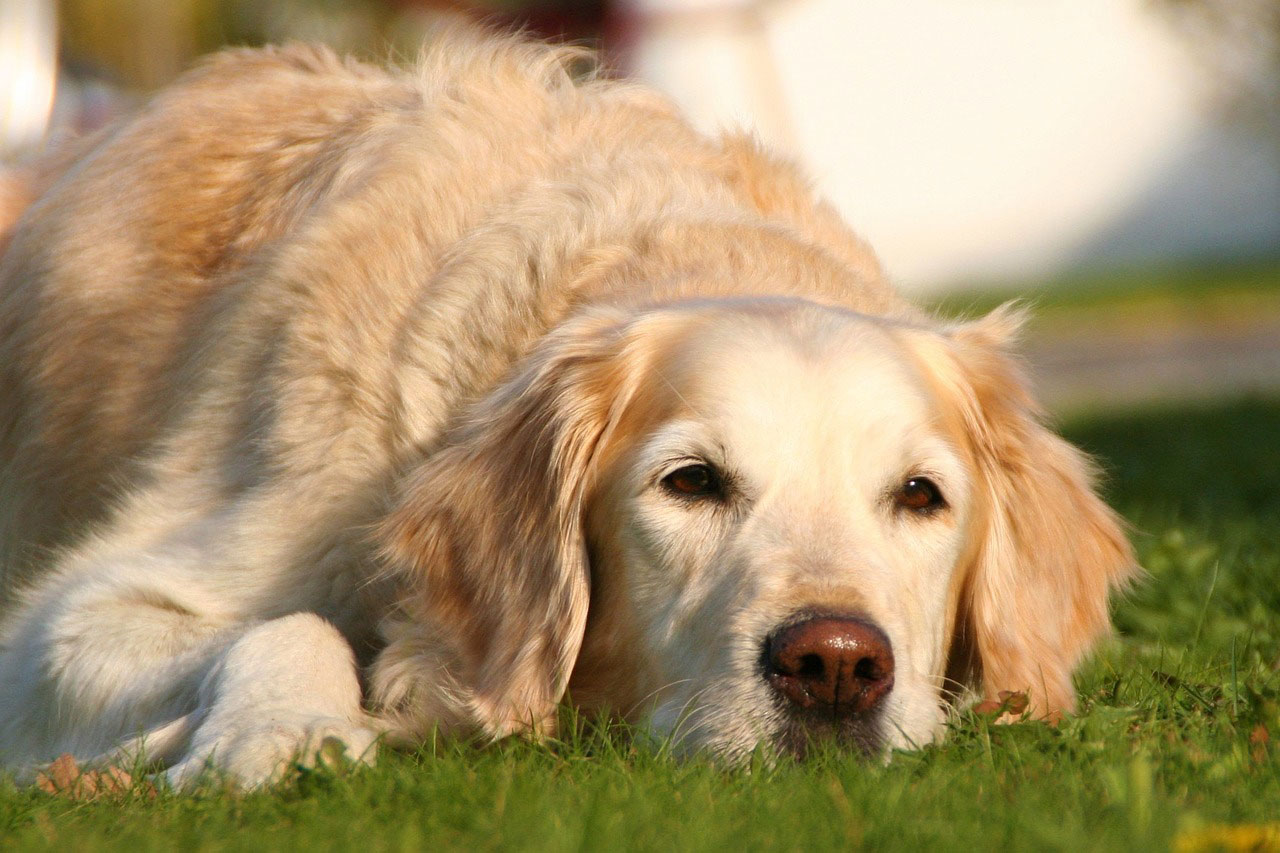
Supporting joint function in dogs – for greater agility and quality of life.
Strain on joint function is a challenge for a dog's joints that can be traced back to two fundamental causes. On the one hand, an infection by certain pathogens frequently triggers joint strain in the animals; however, the impairment of the joints can also result from a malfunction of the body's own defences. In both cases the affected dog usually experiences a restricted ability to move in the affected joints, which of course enormously limits the animal's agility.
Infection-related joint strain
Joint strain as a result of pathogens arises from disease-causing agents that have entered the dog's body, for example through a wound or through an insect sting or insect bite. One of the most frequently occurring joint strains nowadays is triggered by the so-called Borrelia bacteria. These pathogens that cause borreliosis (Lyme disease) enter the dogs' organism via a tick bite and can, at an advanced stage, cause joint problems. In most cases such joint strain can be treated by administering antibiotics in good time.
Immune-related joint strain in dogs
The second form of joint strain in dogs is the immune-related joint strain, which is far more difficult to manage. One of the most common forms is rheumatoid joint strain, which usually occurs simultaneously in several of the dog's joints. Due to a malfunction, the body's own defences of the affected animals produce certain messenger substances which cause the strains in the joints. In such a case, the focus during treatment is usually placed on relieving the symptoms with the help of anti-inflammatory and pain-relieving medication, since the malfunction of the body's own defences often cannot be directly influenced.
Joint nutrients to support agility
A balanced combination of certain joint nutrients has recently proven very effective for the nutritional support of normal joint function in dogs. These nutrients support normal function without unnecessarily burdening the dog's body. With the help of these nutrients, the dog's body is given the opportunity to maintain mobility and to promote the normal function of the joints. Of course, care should also be taken to ensure that the joints are not exposed to excessive strain, for example through dog sports or through overly long walks.
- Supports normal joint function in a natural way
- Promotes mobility in the case of infectious or immune-related strains
- Ensures the supply of important joint nutrients
- Ideal as a companion for restricted agility in everyday life

Our daily inspiration is the special moments with our dogs. Here we share this enthusiasm and invite you to become part of the DOG FIT community on our social media channels.
The content of the articles is for general information purposes only and does not replace diagnosis or treatment by a veterinarian. This information does not constitute medical advice and should not be construed as such.


