
Cats – what they need when they are ill
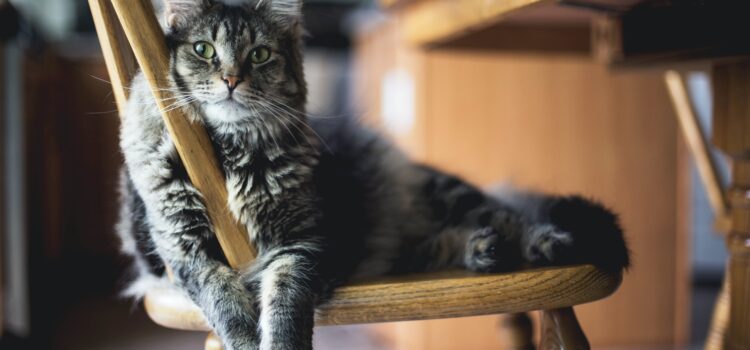
Before acquiring an animal, every owner should generally find out about its keeping and feeding. This also includes which diseases and problems can occur. Often it is precisely cats that are acquired as a substitute for a child, without paying attention to their needs.
What should you pay attention to?
Your cat should be vaccinated against the various feline diseases and against rabies. If it comes from a breeder, they will have had the animals vaccinated as early as 6–8 weeks of age. The second vaccination then follows at 12–16 weeks. Normal house cats need to roam; they want to hunt and prowl, so it makes sense to have your cat or tomcat chipped and, if necessary, to register it online with Tasso. This way the house tiger can easily be matched to its home and its owner should it ever get lost and be found. But some pedigree cats have adapted strongly to being kept indoors. Siamese or Persian cats are not even able to catch mice in the wild. If there is no possibility to roam, a cat can be kept in the home, provided it is large enough. However, it would have to come into the house very young in order to get used to it.
What can free-roaming cats catch?

When tomcats fight, they can, for example, become infected with "cat AIDS". Transmission to humans, however, is ruled out. The vast majority of viruses, bacteria and parasites are specialised to a particular host and are not transmitted between different species. Dog fleas can jump very high, even onto humans, but they cannot survive there, as the veterinarian explains. However, certain skin fungi or mites can affect humans and animals alike. This can be observed when the skin reddens and itches in both human and animal. It is then necessary to consult both the family doctor and the vet.
Ticks – an annoying plague for animal and human
Ticks can migrate from animals – including cats – onto humans and transmit various diseases. This can be dangerous for both, which is why it is especially important to check your cat for ticks every 2 to 3 days. For free-roaming cats and also dogs, vets recommend tick products such as sprays, collars or those applied, for example, to the animal's neck. If a tick is nevertheless found, it can be removed with tick tweezers, or you can have the vet do it.
When the cat has a tummy ache!
This can have many causes. Mostly the symptoms go away on their own, but more serious illnesses can also be behind them. Intestinal problems are among the most common health disorders of all. With stomach upsets, nausea and vomiting occur, but with the intestine, flatulence, constipation and diarrhoea appear. Intestinal upsets in particular can cause severe tummy pain, so that our cat's well-being is greatly impaired. With cats, they then usually withdraw and keep looking round at their belly. In addition, they do not want their belly to be touched, so they do not want to be picked up either. If you do manage to feel the belly, it feels taut and tense. If the symptoms improve significantly within half an hour, it may be a harmless bout of flatulence. If the pain lasts longer and further signs are added, a vet should be consulted. There is a rule of thumb here: the more different signs there are and the more severe the symptoms, the more quickly the vet should be consulted.
What can disturb the intestinal flora?

Flatulence often arises from hard-to-digest food, such as meat or offal. Diarrhoea, too, is often a sign of an incorrect diet. Allergies, stress and medication can also throw the intestinal flora into disorder. Well suited as invalid food are diets from the veterinary practice or soft-boiled rice with well-cooked chicken breast without skin, some low-fat quark and a pinch of table salt. For the long term, however, this is not suitable; it contains too few minerals and vitamins. Too little exercise, too little fluid and too little fibre in the food are the most common causes of constipation. Such constipation can lead to pain, but can also damage the intestinal wall and even cause circulatory problems. To prevent it getting that far, you should make sure that your kitty drinks enough, has balanced food and plenty of exercise – for indoor cats through lots of play. (Some of this seems almost human to me as I write it!)

Our daily inspiration is the special moments with our dogs. Here we share this enthusiasm and invite you to become part of the DOG FIT community on our social media channels.
The content of the articles is for general information purposes only and does not replace diagnosis or treatment by a veterinarian. This information does not constitute medical advice and should not be construed as such.


