
Clipping Dogs' Claws: Everything You Need to Know
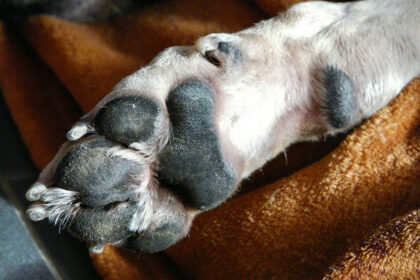 Claws play an extremely important role in a dog's life. They serve not only for walking safely, but also make things like digging and scratching possible. It is important to care for your dog's claws regularly and lovingly and to trim them when necessary. In this article you will learn everything worth knowing about clipping dogs' claws, including instructions and helpful everyday tips. I would like to help you overcome the fear of this important care routine.
The importance of claws for the wolf
Claws play a far more decisive role for the wolf than for our domestic dogs. They serve it not only for walking, but are also essential for its hunting and survival abilities in the wild. With its sharp claws, the wolf can grip its prey securely, defend itself against enemies and mark its territory. They help it climb, dig and even balance on uneven terrain. The wolf's claws are an important tool that enables it to move and survive successfully in nature.
Why claw growth varies from dog to dog
Dogs have quite different growth rates for their claws. This depends on factors such as breed, activity level, ground surface and individual genetics. Some dogs use their claws more and thereby wear them down naturally, while others have significantly less wear and develop longer claws. A regular check and, if necessary, the proper trimming of the claws is important in order to caringly avoid discomfort and injuries.
Instructions for clipping claws in 6 steps
Clipping claws requires a lot of patience, care and the right technique. Here are instructions on how you can trim your dog's claws safely and effectively.
- Create a calm, pleasant environment. Choose a quiet room where you and your dog feel comfortable. Make sure there is enough light so you can see the claws well.
- Use suitable tools. Invest in high-quality claw clippers or a claw grinder specially developed for dogs. Choose the tool according to the size and thickness of the claws.
- Examine the claws closely. Look at your dog's claws and find the area that needs to be trimmed. Be sure not to cut into the sensitive area, the so-called quick. This area contains nerves and blood vessels and can bleed heavily and hurt if injured.
- Get your dog used to being touched. Before the actual clipping, you should get your dog used to having its paws touched and held. Gently stroke and massage its paws to build trust and reduce possible fears.
- Clip the claws carefully. Hold your dog's paw gently and steadily. Place the claw clipper or grinder at the desired spot and trim the claws at a correct angle. Take care to cut off only small pieces, in order to minimise the risk of injury. When in doubt, it is better to trim too little than too much.
- Reward your dog generously. Praise and rewards during claw clipping help your dog to associate the experience positively. Give it treats and cuddles to encourage it and to reward its patience.
The right time for caring grooming
How often claws need clipping depends on various factors. These include the growth rate of the claws and your dog's daily activities. In dogs that move a lot on hard ground, the claws wear down naturally and may need trimming less often. In dogs with slower growth or less wear, the claws should be checked regularly and trimmed when needed. A good rule of thumb is to clip the claws before they audibly touch the ground, in order to avoid an unnatural gait and injuries.
Healthy claws through the right diet
Diet plays an extremely important role in the health of your dog's claws. A balanced diet that contains all the necessary nutrients can sustainably support the growth and strength of the claws. High-quality wet food that is free from artificial additives and contains natural ingredients can be a good choice, as can BARF. In our holistic view, a good supply of minerals promotes the firmness of the horn structure directly from within.
Our conclusion on claw care
Regular claw clipping is an important part of dog care to ensure your dog's health and well-being. Pay attention to your dog's individual growth and keep its claws at an appropriate length in order to avoid injuries and discomfort. Use the right tools and a calm approach to make claw clipping safe and stress-free. Also remember the great importance of a balanced, species-appropriate diet.
This article serves as general information and in no way replaces a visit to a veterinary practice. If you are unsure or have problems with claw clipping, please consult professional advice or a professional dog groomer.

Our daily inspiration is the special moments with our dogs. Here we share this enthusiasm and invite you to become part of the DOG FIT community on our social media channels.
The content of the articles is for general information purposes only and does not replace diagnosis or treatment by a veterinarian. This information does not constitute medical advice and should not be construed as such.


