
Dogs from Abroad Part 1: Adopting a Dog
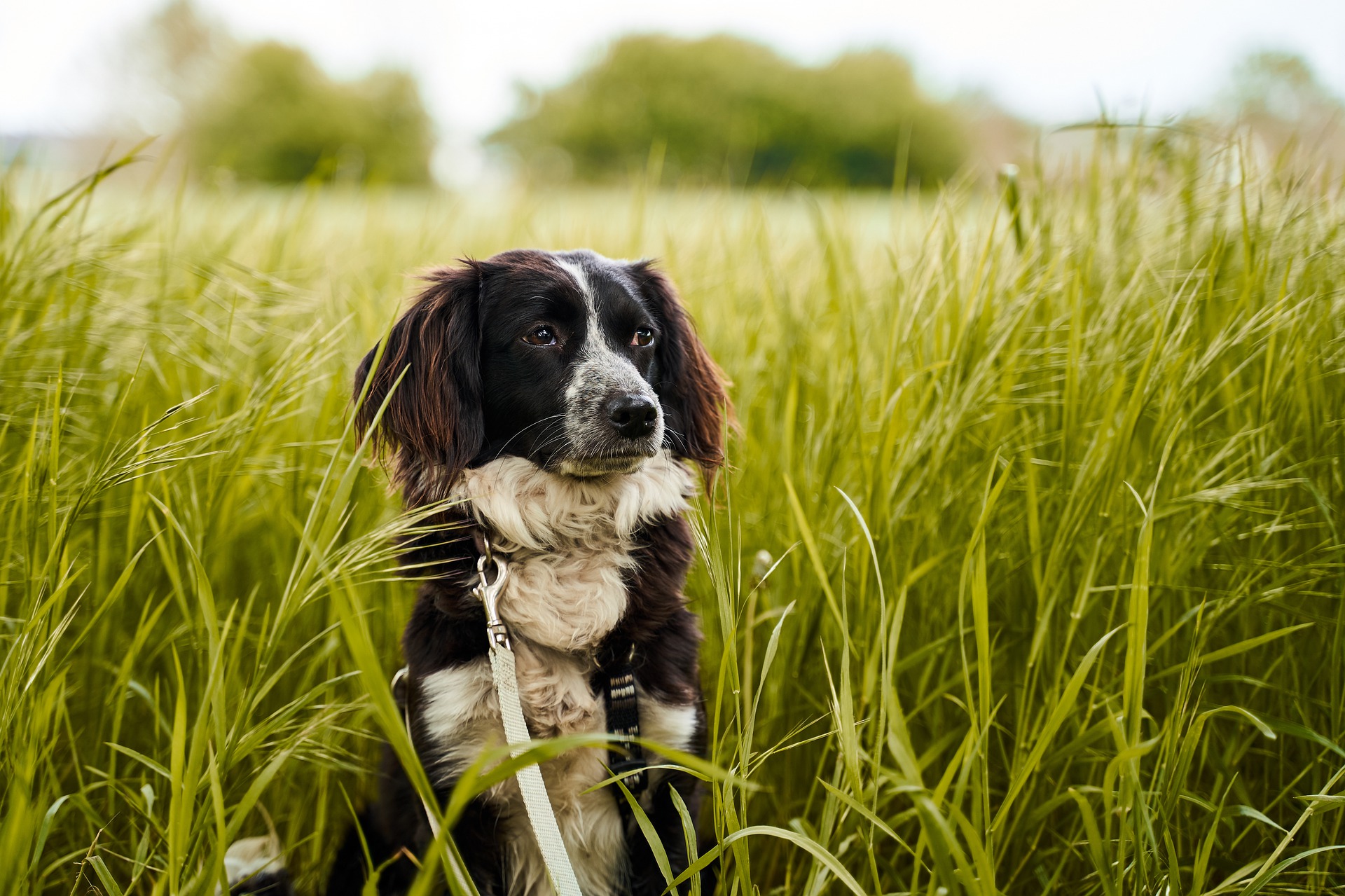
Whether in the classifieds or in animal welfare: anyone who wants to get a dog will inevitably come across dogs from abroad which, some rescued from catastrophic circumstances, are now waiting for a warm basket in a new home. At the sight of the dreadful, undignified conditions in many Eastern and Mediterranean countries, the desire to help the poor dogs is great; the sight of those loyal dog eyes does the rest, and so many a dog gets to move into a new, better home and is saved. But it is unfortunately not quite as simple as it sounds – neither for the dog nor for the newly minted owners.
No good place for dogs
In fact, dogs do not have it as good everywhere as they do here. In many countries, street dogs are part of the typical cityscape – as is kicking and shooing them away. Neutering and veterinary care are rather the exception, and so the dogs multiply uncontrollably. The "surplus" is drowned, beaten to death, at best abandoned or taken to one of the many overcrowded shelters or animal homes, where the killing station often looms after just a few weeks without rehoming. The same applies to any dog that is of no use as a hunting, guard or sporting dog. This means the future prospects for many dogs abroad are not exactly sunny.
For us, who live in a country where dogs are kept as family members, this is incomprehensible. The abused dog bodies and the sad but nonetheless hopeful dog gazes in the killing stations and shelters bring tears to the eyes of many an animal-loving person – you want to help! But how? Some animal welfare organisations have therefore made it their goal to bring these dogs from the streets and shelters to more animal-friendly countries, in order to give them the chance of a better, dog-appropriate life there. Day after day, hundreds of dogs therefore arrive here: from Greece, Malta, Romania, Bosnia and many other countries. The rehoming is often already arranged in advance; the adopters normally only have to pay the organisational costs for travel, vaccination and entry examination, and then you can receive your new family member at a German foster station – the happiness of having your own dog seems within reach.
Great frustration instead of great happiness?
Proudly, people take in their dogs, firmly believing they have found a loyal companion for the rest of their lives – after all, they rescued them, so surely one may expect eternal loyalty and gratitude. For the dogs, however, it looks different: many have seen nothing in their lives but the streets of their homeland, were sometimes fed by people, sometimes kicked, at some point caught, locked up and carted off. They are confused and frightened, torn from their familiar surroundings – because even if they have had a terrible life so far, it was still THEIR life, which they knew and in which they knew how they had to behave. Everything that comes afterwards is new.
In the best case, you get a dog that once lived in a family and knows basic things like house-training and contact with people. In the worst case, you get an anxious dog that can barely be touched and has only had bad experiences with people in its previous life. Because even if the animal welfare association has promised you an absolutely sweet, grateful dog, you must nevertheless keep in mind that the German animal welfare workers abroad often have only very little time to assess a dog, and that this assessment turns out to be correspondingly unrealistic, indeed rather optimistic – after all, one assumes that good living conditions also bring out the best in the dog. So even the most positive description from the animal welfare organisation is no guarantee at all that it will actually be possible to integrate a dog from abroad effortlessly into the new family.
The problems are often small, but nonetheless a burden: many dogs from abroad, especially older ones, are not house-trained and, after their time in filthy shelters, take a long time to grasp that they are supposed to go outside to relieve themselves. Even small, unfamiliar noises like the microwave, telephones, vacuum cleaners and much more can startle them and put them under stress. Perhaps the dog has had bad experiences with men in black jackets and will now unexpectedly turn on them here on the street too – even if it is otherwise "people-friendly". So above all, make one thing clear to yourself if you want to take in a dog from abroad: you usually know nothing about its past, and it may take a long time before you can really judge the dog correctly in all situations – sometimes not even in a lifetime.
The great happiness with the rescued dog is therefore by no means a given. So that great frustration does not arise instead, you should consider a few points before getting a dog from abroad.
What you should consider before getting a dog from abroad
The decision in favour of a dog from abroad probably saves its life. Nevertheless, you should not act purely out of pity, but think carefully in advance about whether you are really up to the challenges that such a dog may bring with it. Because, after all, the rescued dog should not end up in an animal home again.
Before getting a dog from abroad, therefore consider the following points:
- House-training: The dog may never have learned to be house-trained. Do you have the time and patience to teach it?
- Eating habits: Perhaps the dog had to go hungry on the streets or fight with other animals for its food – can you deal appropriately with food envy and aggressive resource guarding?
- Upbringing and socialisation: Even though it is possible that the dog has already lived in a family, it may also be that you have to start from scratch. Do you have the time and, if necessary, professional support to ensure the new dog a solid upbringing and to show it everything its new life brings with it?
- Space: Many dogs from abroad know almost exclusively a life outdoors; life indoors seems threatening at first. That is why you should also have a plot of land the dog can use. An "escape-proof" fence is also an advantage; after all, the aim is to prevent the still insecure dog from running off in a panic situation and then possibly being unable to find its way. Can you offer the dog space that does not confine it?

Our daily inspiration is the special moments with our dogs. Here we share this enthusiasm and invite you to become part of the DOG FIT community on our social media channels.
The content of the articles is for general information purposes only and does not replace diagnosis or treatment by a veterinarian. This information does not constitute medical advice and should not be construed as such.


