
Dogs and the Weather
 It will not be long before the so-called dog days come round again. These are the hottest days in Europe, usually lasting from 23 July to 23 August. Occasionally they occur a little earlier or later. During this time it is especially important never to expose dogs to the extreme heat. This applies in particular to taking them along in the car. An outside temperature of just 20 degrees Celsius is enough to overheat a vehicle and turn it into a deadly oven. This period takes its name from the constellation of the Great Dog. From the first appearance of the constellation to its full visibility as a whole, about 30 to 31 days pass, which is where the term days of the great dog comes from. I would like to help you caringly get your dog through this hot phase.
The effects of high temperatures and intense humidity
On these hot days the animals often spend their time rather sluggishly in a cool corner of the house or garden. Many dogs now prefer to lie on cold tiles or in the cellar, as they have only a few sweat glands. They can only cool themselves down through their paws and their tongue. Since this is often not enough, the strain shows itself in very heavy panting. Older dogs or those with heart conditions, as well as animals with a very dense coat, suffer particularly. In severe cases, circulatory problems can occur. Physical overexertion through fast running, jogging or dog sport should also be strictly avoided. In our holistic view, rest is now the most important rule.
Dangers of walks in the blazing sun
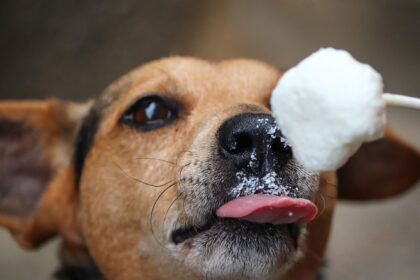 Often just being in direct sunlight is enough to put the dog at risk. Many animals also have to run alongside a bicycle, which places an enormous strain on them in the heat. It is strongly recommended to move walks and sporting activities to the early morning hours at sunrise or the late evening hours after sunset. Dogs with heart conditions should stay in the cool shade as much as possible from an outside temperature of 18 degrees Celsius. Shortening the usual walks and spending time in shady woodland offer valuable relief for the cardiovascular system.
Challenges in attic flats and tips for cooling down
If you live in a flat right under the roof, where the summer heat builds up, this can become a major problem for your four-legged friend. A good exchange of air by ventilating during the cool night hours is crucial here. Special cooling mats from specialist shops can help to caringly regulate the dog's body temperature. Please make sure never to leave the animal unsupervised in the process, so that no parts of the mat are nibbled off. A simple remedy is also a damp cloth, which gives the dog brief relief, provided it willingly allows this.
The great importance of an adequate supply of drinking water
 The constant availability of fresh water is extremely important. It is best to place several water bowls around the home and garden, which you clean regularly and fill with fresh water. When it comes to feeding, it is advisable not to give portions that are too large at once, but to divide the food into two smaller rations to relieve the metabolism. Experts also advise regularly and caringly combing out the undercoat of dogs with a dense coat, so that cooling air can reach the skin. Sunburn is also possible in dogs, especially in light-coloured animals or those with little fur. Here, a special children's sun cream with a sun protection factor of 50 can be helpful for the sensitive nose and ears.
The car as a deadly trap in summer
 Extreme caution is also required on car journeys. Avoid too strong a draught from wide-open windows, as this can trigger painful inflammation of the eyes. Dogs should never be left alone in the car in summer. The interior of the vehicle heats up extremely quickly. If a car stands in the sun at 30 degrees Celsius, the temperature inside rises to 37 degrees Celsius after 10 minutes and to as much as 46 degrees Celsius after 30 minutes. This can lead to life-threatening heatstroke extremely quickly.
Acting correctly in an emergency
Just 5 minutes in the intense heat can become critical for a healthy dog. If you notice an animal in distress in an overheated vehicle, quick action is required, as every minute counts. Notify the authorities immediately and caringly provide help to move the animal into the shade and cool it down carefully. Afterwards, seek out a veterinary practice at once. Old and sick animals, for example those suffering from cardiovascular conditions, are particularly at risk.
First aid for heatstroke in dogs
Typical signs of heatstroke are heavy panting and increased salivation. Often the insides of the ears turn red and feel hot. Loss of balance as well as vomiting or diarrhoea can occur. In such a situation, the animal must be taken to a cooler environment immediately and caringly treated with lukewarm, damp compresses. Medical professionals can then stabilise the body with infusions and further measures. Always keep an attentive eye on your dog on hot days.
This article serves as general information and as a caring way to raise awareness of your dog's safety during the summer.

Our daily inspiration is the special moments with our dogs. Here we share this enthusiasm and invite you to become part of the DOG FIT community on our social media channels.
The content of the articles is for general information purposes only and does not replace diagnosis or treatment by a veterinarian. This information does not constitute medical advice and should not be construed as such.


