
Muscle tension in dogs – tips!
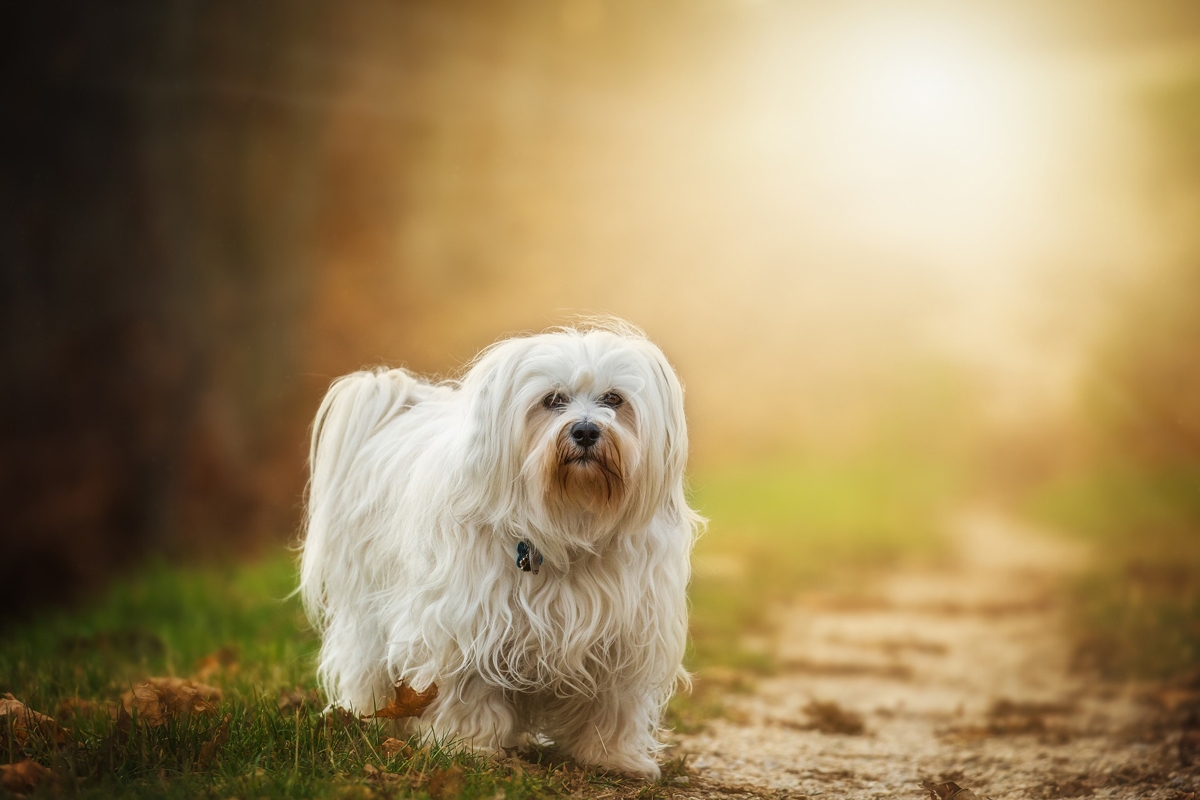
The same applies to our dogs: excess weight, allergies and back and joint conditions have a massive effect on quality of life. Well-being suffers. What most people do not consider at all: dogs can also suffer from everyday stress, just like us humans. Dogs are extremely sensitive and pick up on their owners' moods. Often we unintentionally transfer our frustration, hectic pace and negative energy onto the animals. The result: the dog „shuts down“ and suffers from painful muscle tension.
Possible causes of muscle tension
Tension can have many causes, of course not only psychological stress. Often the reasons are quite mundane in nature, such as incorrect strain or overuse. These can be small things, for example a collar that presses on the larynx, or a harness that restricts shoulder movement. So sometimes the all-clear can be given here: it need not always be a serious joint condition.
The physiological process, however, is usually the same: the trigger (e.g. a poorly fitting harness or a strain) causes local pain. To avoid this pain, the dog adopts a relieving posture and unconsciously tenses the body. If this happens over the long term, it leads to chronic muscle tension and hardening (myogelosis). The muscles can shorten over time, which restricts mobility and in turn causes new pain. A vicious circle begins.
Gentle treatment methods for dogs
Fortunately, there are various treatments that provide effective relief and can help the furry friend relax again. Many techniques that we know from human medicine also work wonderfully on our four-legged friends:
- Classic massage: here the skin, subcutaneous tissue and muscles are kneaded and stroked with the hands. Correctly applied, this has a circulation-promoting, pain-relieving and relaxing effect. Tip: anyone who wants to do it themselves should have the techniques shown to them by a canine physiotherapist, so as not to accidentally intensify pain.
- Acupressure: in contrast to acupuncture, you work here not with needles, but with gentle finger pressure on certain energy points (meridians) to release blockages.
- Reiki: energetic work such as reiki (an ancient Japanese healing art) can also achieve astonishing results in dogs. Correctly applied, it calms the nervous system, releases emotional tension and gives new strength.
- Light and colour therapy: these gentle methods are well suited to support and prevention. Depending on the colour (e.g. red for warmth/circulation, blue for relaxation), certain areas of the body are irradiated.
- Aromatherapy: what does us humans good can also help dogs – but caution is called for! Dogs have far finer noses. A gentle massage with a high-quality aromatic oil suitable for dogs (heavily diluted!) can relieve discomfort.
Last but not least, appropriate physical activity to build and strengthen the muscles is essential. For only strong muscles can support the skeleton and prevent tension.

Our daily inspiration is the special moments with our dogs. Here we share this enthusiasm and invite you to become part of the DOG FIT community on our social media channels.
The content of the articles is for general information purposes only and does not replace diagnosis or treatment by a veterinarian. This information does not constitute medical advice and should not be construed as such.


