
Myelopathy in dogs – a comprehensive guide
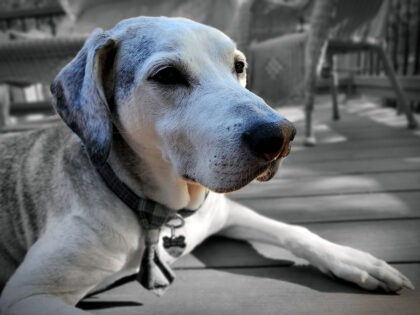 Myelopathy in dogs is a serious disease of the spinal cord that can lead to a variety of motor and sensory problems. It affects the nerve pathways of the spinal cord, which are responsible for transmitting signals between the brain and the body. Myelopathy can occur in various forms. This includes in particular degenerative myelopathy, which is more common in older dogs.
Causes of myelopathy in dogs
The exact causes of degenerative myelopathy in dogs are manifold. A genetic predisposition is suspected, with certain breeds such as the German Shepherd, the Collie and the Bernese Mountain Dog being more strongly affected. The Belgian Shepherd, the Siberian Husky, the Borzoi, the Weimaraner and the Rhodesian Ridgeback also show these symptoms more frequently. Further causes can be traumatic injuries, infections, tumours and circulatory disorders of the spinal cord.
Recognising the symptoms of myelopathy
The symptoms of myelopathy vary depending on the affected area of the spinal cord. Common signs are weakness in the hind legs, coordination problems and an unsteady gait. In severe cases, signs of paralysis can occur. Behavioural changes and pain reactions are also possible when signal transmission in the body is disturbed.
- Weakness and trembling in the dog's hind legs
- Coordination disorders when walking and frequent stumbling
- Dragging claws or an unsteady stance on smooth floors
- Progressive signs of paralysis in the hind extremities
Treatment of damage to the spinal cord
The treatment of myelopathy ranges from drug therapy through physiotherapy to surgical procedures. An early diagnosis and specific treatment plans are crucial, but unfortunately the disease is not curable according to current knowledge. Dogs with degenerative myelopathy still have up to four years of life ahead of them after the first symptoms appear and with good, caring treatment. A cart or a support harness are helpful in the advanced stage of the disease and can still offer the dog some quality of life within the circle of its human pack.
Care and support in everyday life
Caring for a dog with myelopathy requires special attention and dedicated care from you as the owner. A balanced diet and regular exercise, for as long as it is possible, play an important role in extending its lifespan as much as possible. Patience and affection are the most important companions for your dog during this time.
This article serves as general information and does not replace a visit to a veterinary practice. If myelopathy is suspected, a competent vet should always be consulted.

Our daily inspiration is the special moments with our dogs. Here we share this enthusiasm and invite you to become part of the DOG FIT community on our social media channels.
The content of the articles is for general information purposes only and does not replace diagnosis or treatment by a veterinarian. This information does not constitute medical advice and should not be construed as such.


