
Dogs mirror us
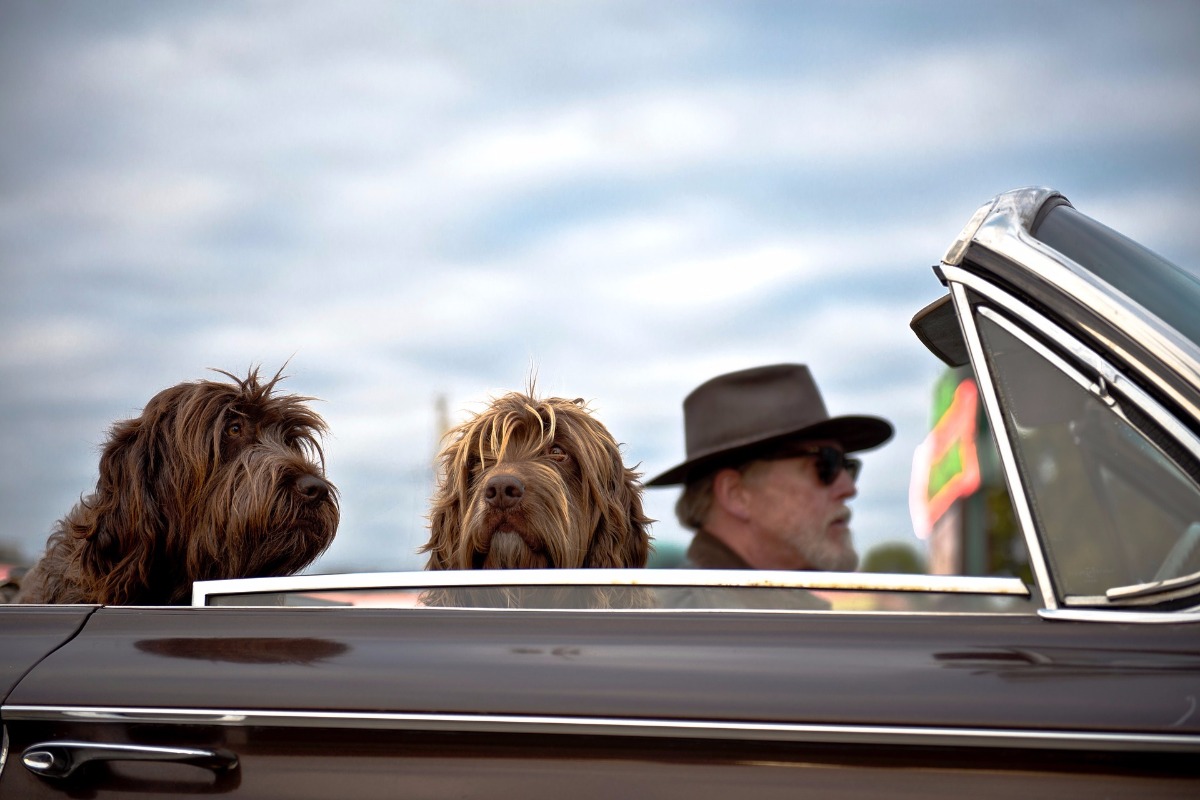 What many people do not know, or do not consider enough, is that dogs who are close to us often mirror us. They recognise our moods and even smell whether we are well or unwell. But they also notice when we try to fool them. This raises the question of how our beloved four-legged friend actually manages this.
How do dogs manage to mirror us?
This has also been confirmed by research concerned with how far dogs can understand our body language. Experts explain that dogs notice a great deal and know almost everything. After all, they have all day to observe us closely. This is how they know where they stand with us. From our posture they notice whether we intend to do something with them or perhaps want to leave them alone. Our body language, on the other hand, is not much use to them if we perform an exercise hectically or send too many signals at once. Dogs try to read us. This observation is vital for our four-legged friends, because only in this way can they adapt to us optimally.
- Perceiving the finest nuances in human body language
- Recognising moods through the highly developed sense of smell
- Reacting to the tone and intonation of the voice
- Adapting their own behaviour to the atmosphere at home
Four-legged friends recognise our mood by the tone of voice
An example helps to understand this better. A dog always barked loudly when its owner talked about her husband. The thing was that she was cross with him and her voice always grew louder and more agitated in the process. As a test, she was asked to talk about her painting. At once her voice became quieter and softer. The dog looked at its owner and relaxed. It also immediately stopped barking. This worked in several attempts. As a test, the trainer had the dog owner talk loudly and aggressively about her painting. Then the dog looked at its owner for a while with a tense face and stayed calm. Here you could see that the dog knew its owner better than many another. It had grasped that this account did not match the tone of voice. So it was able to recognise its owner's false statements and to assess the situation correctly.

Our daily inspiration is the special moments with our dogs. Here we share this enthusiasm and invite you to become part of the DOG FIT community on our social media channels.
The content of the articles is for general information purposes only and does not replace diagnosis or treatment by a veterinarian. This information does not constitute medical advice and should not be construed as such.


